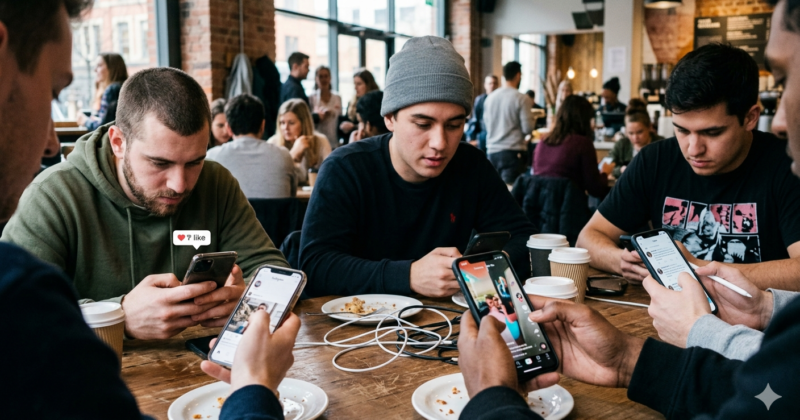
Social media history is littered with the remains of platforms that looked, for one brilliant moment, like the future of digital connection before collapsing under the weight of their own hype, their failure to evolve, or the arrival of something new that did what they did better. But every few years, something comes along that genuinely changes the landscape — and the platform that has just crossed 100 million users, doing so faster than TikTok, faster than Instagram, and faster than any social product in the history of the internet, may be one of those genuine shifts.
What Makes It Different
The platform\'s core innovation is its approach to algorithmic transparency. Unlike every major social platform currently operating, it shows users exactly why each piece of content appeared in their feed, allows them to edit those signals in real time, and — crucially — gives content creators visibility into the full distribution logic that determines their reach. In an era when distrust of opaque algorithmic systems has become one of the defining anxieties of digital life, this is an extraordinarily powerful differentiator.
The second major differentiator is its monetization model, which distributes 70% of advertising revenue directly to creators based on engagement — a ratio that makes the platform\'s compensation structure the most creator-favorable of any major social network by a significant margin.
Why Gen Z Is There
User research conducted by independent firms consistently shows that Gen Z\'s relationship with legacy platforms — Instagram, TikTok, X — is characterized by a combination of compulsive use and active resentment. They use these platforms because everyone else does, not because the experience is genuinely positive. The new platform has tapped into a latent desire for something that feels honest about how it works and fair about how it distributes the value that users and creators generate. That combination is proving extraordinarily compelling for an age group that has grown up fluent in the language of algorithmic manipulation.
Is It the Real Thing?
The platform\'s growth metrics are real, verified by independent auditors, and show no signs of the engagement decay that typically signals a fad. User session length and return rate are both higher than TikTok\'s at the same stage of growth. Advertiser interest is already significant, with several Fortune 500 brands signing long-term platform agreements that suggest institutional confidence in its durability.
The honest answer is that no one can know whether a social platform will sustain its growth until it tries to scale past 500 million users — the point at which every platform in history has faced its most significant structural tests. But if any platform in 2026 has the right ingredients to pass those tests, the evidence suggests this is the one to watch.
Are you already on it? Tell us in the comments — and share this article with the people in your life who are still exclusively on the old platforms.

Leave a Reply