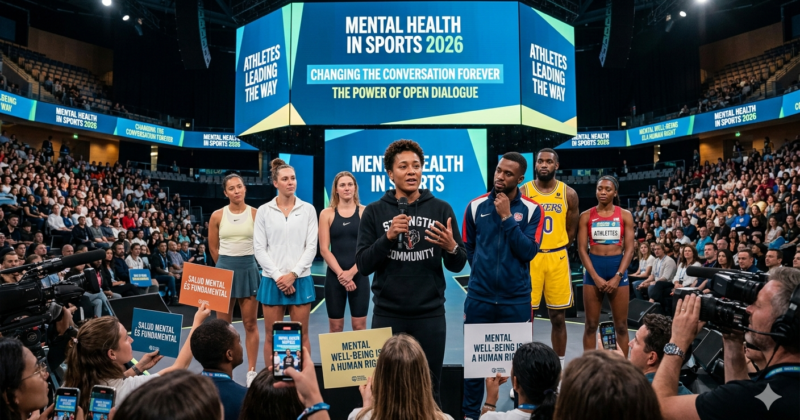
The conversation around mental health in sports gained significant momentum when Simone Biles withdrew from events at the Tokyo Olympics, citing her psychological well-being. This conversation has evolved dramatically since then, transforming into a cultural shift that is changing how sports organizations, fans, and society at large think about the psychological demands of athletic competition and the humanity of the people we celebrate as sports heroes.
The New Openness
Athletes competing at the highest levels are openly discussing their struggles with mental health in a way that would have been unimaginable a generation ago. Back then, the prevailing sports culture demanded stoicism and emotional opacity as the price of elite athletic status. NBA players now discuss anxiety and depression during press conferences. Tennis players withdraw from tournaments for mental health reasons and receive widespread support rather than criticism. NFL players openly discuss the psychological toll of playing a physically dangerous sport with long-term health consequences, which they must consider alongside the career they have dedicated their lives to building.
Organizational Response
Sports organizations — leagues, teams, national governing bodies, and international federations — have responded to the mental health conversation with varying levels of seriousness and investment. The most progressive organizations have hired full-time mental health staff, integrated psychological support into standard athlete support services, and created cultures where seeking mental health support is normalized rather than stigmatized. Others have made symbolic gestures without meaningful structural change — providing mental health resources that athletes lack the time or cultural permission to use effectively given the organizational cultures in which they operate.
The Structural Challenges
Despite progress, significant structural challenges remain. The economic incentives of professional sports pressure athletes to perform despite psychological distress, which is not expected of athletes with equivalent physical injuries. The culture of mental toughness that has historically defined success in sports can coexist uncomfortably with the vulnerability that engaging with mental health genuinely requires. Athletes at lower competitive levels, lacking the platform and protection of elite status, still face significant stigma and limited access to professional support.
The conversation about mental health in sports in 2026 matters far beyond athletics. Sports celebrities are among the most influential figures in American culture. Their example reaches millions of young people who model their behavior and attitudes after those they admire most. When elite athletes openly discuss seeking help, managing mental health challenges, and prioritizing psychological well-being alongside physical performance, they create cultural permission for others to do the same. This is one of the most significant public health contributions sports can make to American society, and it requires only the courage to be honest.
The Athletes Behind the Stories
The competitive achievements and storylines described in this article are the result of an almost incomprehensible level of human dedication. Elite athletes dedicate their entire childhoods and young adult lives to pursuing excellence, a level that most people never achieve. They sacrifice experiences, relationships, and opportunities that their peers take for granted, all for a pursuit that provides no guarantees of success. Those who reach the level of competition described here are perhaps one in a million of those who begin the same journey.
Understanding the human cost and commitment behind elite athletic achievement does not make the competition more or less meaningful; it makes it more real. The performances described in this article are not solely the product of genetic luck, though genetics play a role. They are the result of thousands of hours of deliberate practice and the willingness to endure discomfort and failure in pursuit of improvement. They require mental fortitude to perform under pressure, which most people will never experience. They also require a specific combination of talent, training, opportunity, and circumstance to compete at the highest level of a sport.
Recognizing this complexity makes sports more interesting, not less. The outcomes on the field or court are the result of everything that happened in previous years — and understanding this depth makes every competition a story about human potential and limitation that pure entertainment cannot replicate.
What Sports Teaches Us
At its best, sports provides a compressed and clarified version of lessons that apply more broadly to human life and endeavor. For example, sports demonstrate the value of preparation and discipline. It demonstrates the role of teamwork and individual excellence in collective achievement. It teaches us about the psychology of performing under pressure. The experience of failure and recovery. The specific pleasures of mastery and the specific pains of falling short. These are not metaphors borrowed from life—they are life, experienced in a context where the rules are clear, the outcomes are definitive, and the human qualities on display are visible and measurable in ways that life generally does not provide.
The sports stories in this article are worth following, not only because they are entertaining, but also because they reveal the human qualities that produce extraordinary athletic achievement and what those qualities look like when pushed to their limits. This is one of the things that makes sports, at their best, more than just entertainment—they provide a genuine window into what human beings are capable of when they fully commit to a demanding pursuit.